
PRODUCT EDUCATION
Explain your product to Korean audiences
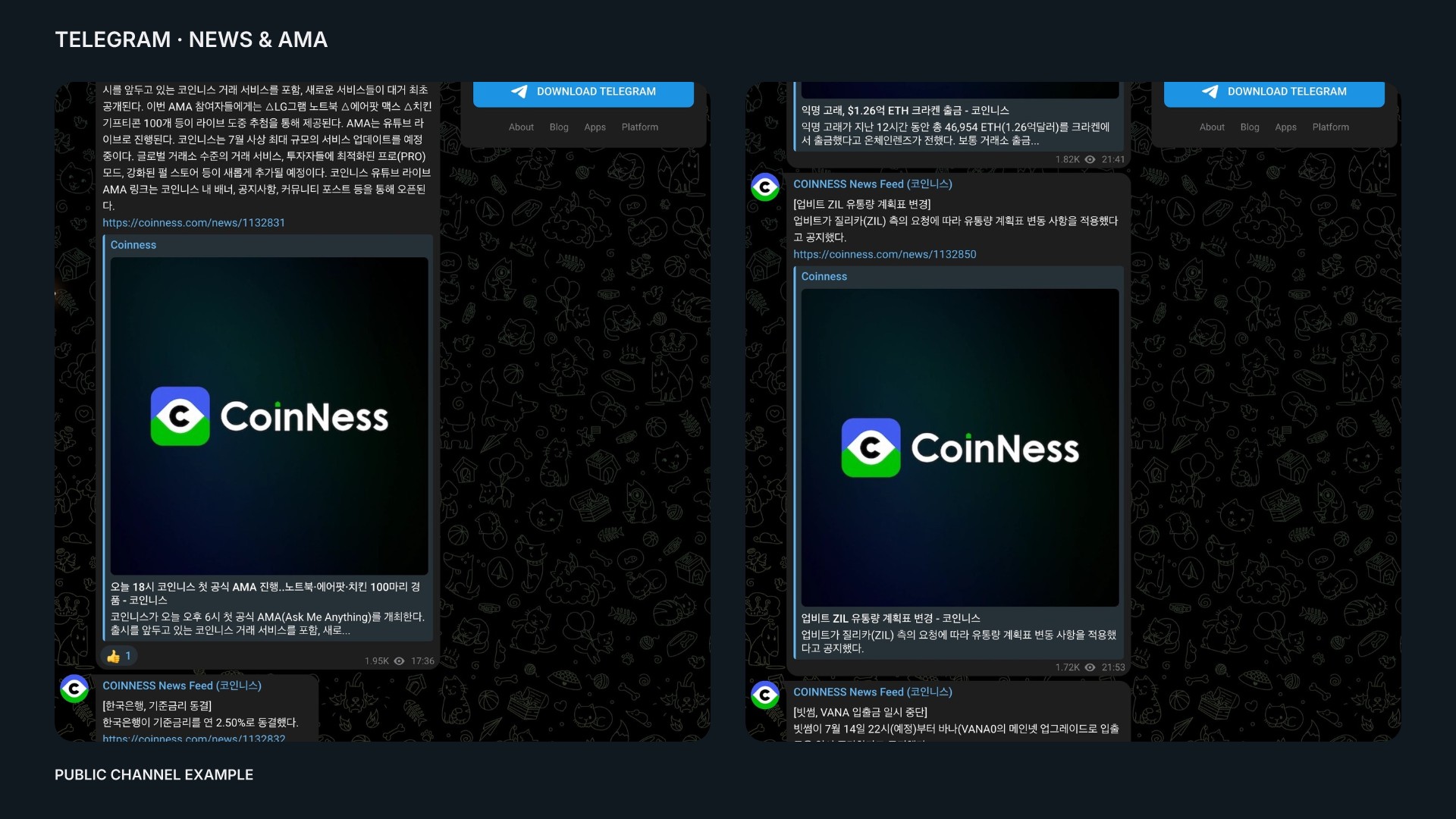
Communicate product value through educational content, creator broadcasts and AMAs, connecting Korean explanations and community questions with the product team.
Organize your product information in Korean
Link to the project’s approved documentation and explain the terms needed to begin. Identify the environment, dependencies and support contacts. Local content should clarify the original material without inventing an SDK or unsupported feature.
By scope
ILLUSTRATIVE PLANNING BRIEF — not executable code Market entry strategy for a Web3 project entering Korea 1. Define the decision: Write down why Korea matters to the project now. Separate a product adoption goal from awareness, community participation or partner development. Choose one primary decision the initial work should support. 2. Choose a specific audience: Describe people by the problem they are trying to solve and their familiarity with the product. A broad label such as Web3 users does not explain what they need to understand or what would make participation useful. 3. Separate evidence from assumptions: Keep a working record of observations, sources and unanswered questions. Note which ideas came from user conversations and which are still internal assumptions. Decide what evidence would change the current plan. Scope, owners and timing are agreed with the project team.
Define a small action that demonstrates the product’s purpose. Walk through the instructions as a new reader and record ambiguous steps. Make the expected outcome and the place to ask for help easy to find.
1
2
3
4
5
6
7
8
9
10
11
12
13
14
15
16
17
18
19
20
21
22
23
24
25
26
27
28
29
30
31
32
33
from cryptobridgekorea import cryptobridgekorea
Give technical questions a clear route to the appropriate reviewer. Capture useful explanations in a shared resource rather than leaving them in a single conversation. Keep public answers aligned with the current product version.
from scope.deliverables import TasksRetrieveResponse
contact = people@panasia.io"<YOUR_PROJECT_BRIEF>")
index = client.indexes.create(
index_name="<YOUR_INDEX_NAME>",
models=[
IndexesCreateRequestModelsItem(
For a workshop or builder session, define the audience, prerequisites and intended learning outcome. Confirm the host, materials and follow-up before announcing a date. Participation should lead to a clear next action.
)
]
)
print(f"Created index: id={index.id}")
task = client.tasks.create(
index_id=index.id, video_url="<YOUR_VIDEO_URL>")
print(f"Created task: id={task.id}")
def on_task_update(task: TasksRetrieveResponse):
print(f" Status={task.status}")
Record where people stopped, which questions repeated and which explanations helped. Separate documentation gaps from product limitations. Use the review to improve the next brief and route product feedback to its owner.
if task.status != "ready":
Choose a concrete use case — inputs. Collect the approved product description, the current materials and the questions that remain open. Keep links to the source documents so reviewers can check context.
print(
Prepare the technical brief — inputs. Collect the approved product description, the current materials and the questions that remain open. Keep links to the source documents so reviewers can check context.
Map the first useful action — inputs. Collect the approved product description, the current materials and the questions that remain open. Keep links to the source documents so reviewers can check context.
for text in text_stream:
if text.event_type == "text_generation":
print(text.text)
" height="6.458970000000001px" id="vWe7OPynG" transform="translate(4.861 4.895)" width="6.45897px"/><path d="M 8.4 0 C 10.388 0 12 1.612 12 3.6 L 12 8.4 C 12 10.388 10.388 12 8.4 12 L 3.6 12 C 1.612 12 0 10.388 0 8.4 L 0 3.6 C 0 1.612 1.612 0 3.6 0 Z M 3.6 1 C 2.164 1 1 2.164 1 3.6 L 1 8.4 C 1 9.836 2.164 11 3.6 11 L 8.4 11 C 9.836 11 11 9.836 11 8.4 L 11 3.6 C 11 2.164 9.836 1 8.4 1 Z" fill="rgb(29, 28, 27)" height="12px" id="sifMorL3U" transform="translate(2 2)" width="12px"/></svg>)
" height="31px" id="h_XX9eIa4" transform="translate(0.5 1)" width="31px"/><path d="M 8.824 1.411 C 9.184 1.411 9.538 1.437 9.884 1.486 L 9.761 1.664 L 8.401 2.928 C 5.179 3.156 2.716 5.895 2.83 9.123 C 2.944 12.352 5.594 14.91 8.824 14.911 C 11.453 14.91 13.775 13.199 14.555 10.689 L 16.301 9.468 C 16.101 12.152 14.478 14.522 12.048 15.68 C 9.619 16.837 6.755 16.603 4.545 15.068 L 1.151 19.141 L 0 18.181 L 3.405 14.094 C 1.33 11.924 0.749 8.725 1.929 5.964 C 3.109 3.203 5.821 1.411 8.824 1.411 Z M 14.211 0.177 C 14.259 0.069 14.367 0 14.485 0 C 14.602 0 14.71 0.069 14.758 0.177 L 15.838 2.568 C 15.868 2.634 15.921 2.688 15.988 2.718 L 18.378 3.798 C 18.486 3.846 18.555 3.953 18.555 4.071 C 18.555 4.189 18.486 4.296 18.378 4.345 L 15.988 5.425 C 15.921 5.455 15.868 5.508 15.838 5.575 L 14.758 7.965 C 14.71 8.072 14.602 8.141 14.485 8.141 C 14.367 8.141 14.259 8.072 14.211 7.965 L 13.131 5.575 C 13.101 5.508 13.048 5.455 12.981 5.425 L 10.59 4.345 C 10.482 4.296 10.413 4.189 10.413 4.071 C 10.413 3.953 10.482 3.846 10.59 3.798 L 12.981 2.718 C 13.048 2.688 13.101 2.634 13.131 2.568 Z" fill="rgb(123, 88, 128)" height="19.140720825195313px" id="TNtAf537q" transform="translate(6.5 6.5)" width="18.554721223852766px"/><path d="M 9.1 31 C 4.074 31 0 26.926 0 21.9 L 0 9.1 C 0 4.074 4.074 0 9.1 0 L 21.9 0 C 26.926 0 31 4.074 31 9.1 L 31 21.9 C 31 26.926 26.926 31 21.9 31 Z" fill="transparent" height="31px" id="tL5FaW6u_" stroke-dasharray="" stroke-linecap="butt" stroke-linejoin="miter" stroke-miterlimit="10" stroke-width="1" stroke="rgb(123, 88, 128)" transform="translate(0.5 1)" width="31px"/></svg>)
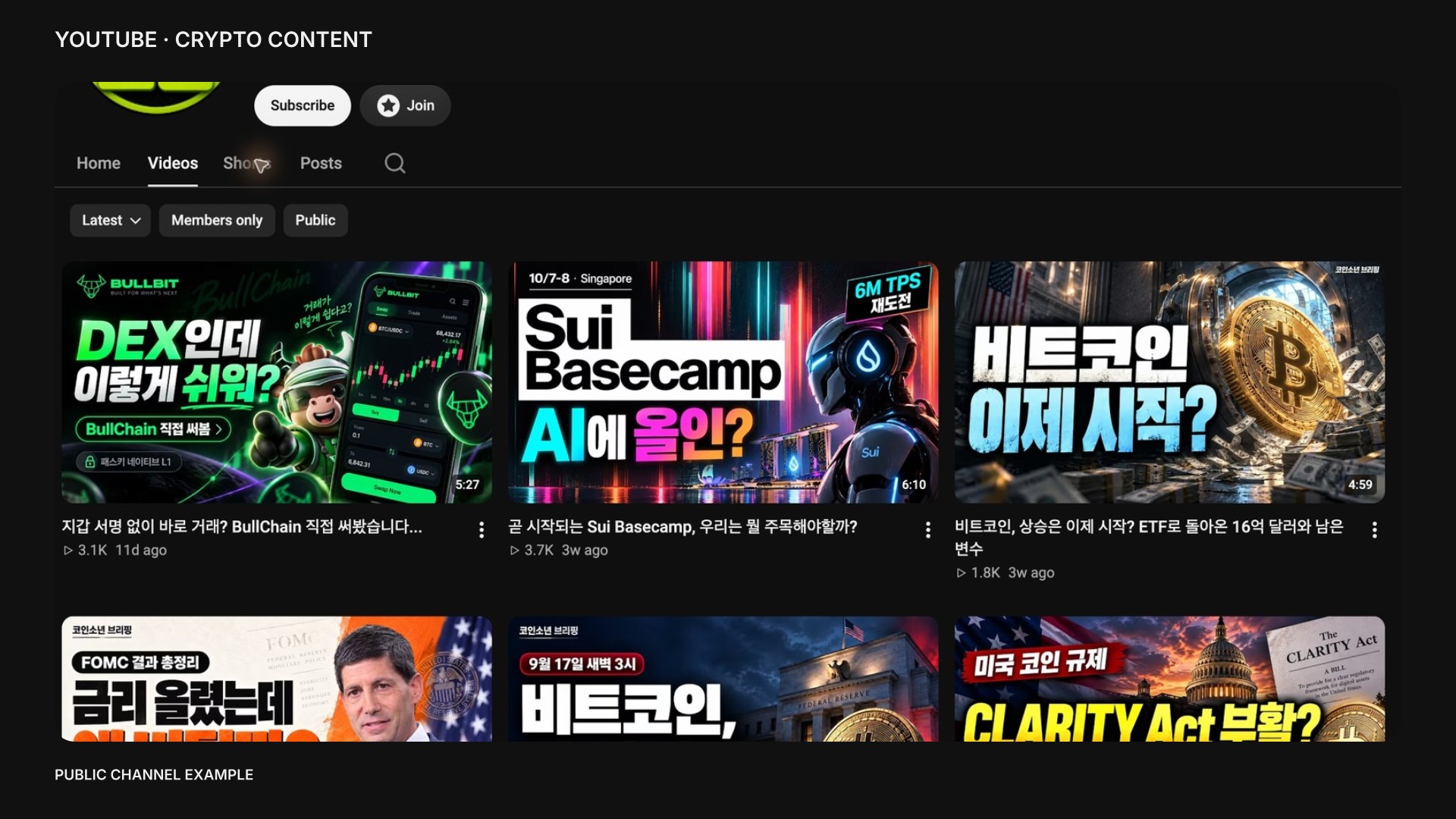
Planning a Korean AMA
Turn broadcast questions into Korean FAQs and community content that support the next conversation.