
Connect technical value to Korean use cases.
" height="9.18705px" id="AiyYyR90G" transform="translate(3.406 3.406)" width="9.18685px"/></svg>)

Start with the user
01
Research
Map Korean ecosystem projects, communities, and competing approaches. Separate public research from observations gathered through conversations in a practical market brief.
02
Localize
Prepare Korean product explanations and user journeys. Review terminology, getting-started guides, and presentation materials with the project team to explain capabilities and limitations accurately.
03
Connect
Prepare relevant proposals for technical communities, creators, and potential partners. Route questions from content, AMAs, and meetups to the product team for follow-up.
Map the Korean ecosystem
01
Localize technical explanations
Extract the concepts Korean users need from whitepapers and product materials. Explain purpose and practical steps rather than translating literally, and confirm terminology with the team.
02
Builder content and education
Structure tutorials, project explainers, and technical Q&A for Korean builders. Link documentation and examples to official project resources and assign responsibility for updates.

03
Communities and AMAs
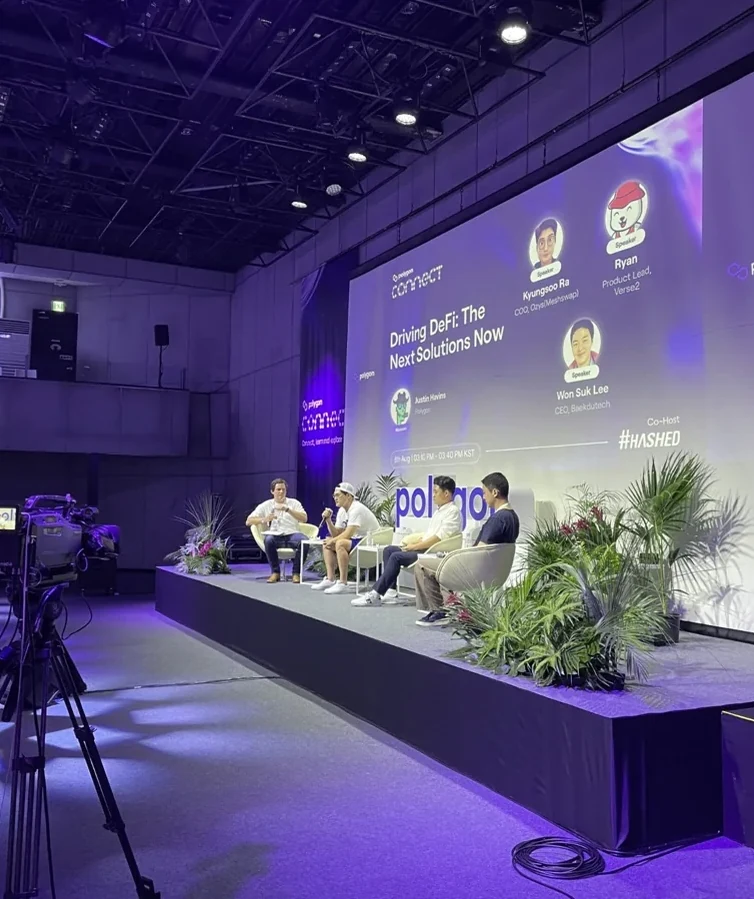
Collect development questions in advance and connect technical speakers. Prepare Korean run-of-show materials and replay summaries so explanations remain useful after the live session.
04
Conversations with potential partners
Research Korean teams with relevant joint use cases. Document requirements and technical review items to define the next discussion without assuming adoption.

05
Turn market observations into a plan
Organize research into messaging, content, channels, and collaboration candidates. Pair priorities with materials and owners so the global team can continue the Korean program.
A foundation for local entry
Clear use cases
Explain which user problem a capability addresses rather than listing features. Distinguish confirmed use cases from ideas still being evaluated.
Connected Korean materials
Align terminology and links across introductory content, documentation, and FAQs. Review related materials when announcements or product information change.
Ongoing local feedback
Group questions from content and events for the project team. Use confusing concepts and adoption friction to improve subsequent explanations and support materials.
Infrastructure and protocols
Applications and products
Review how Korean users discover and begin using the product. Connect usage guides, community information, and creator explainers to prepare the first experience.
Explain the product at the level the target builder needs
Apply repeatable QC requirements before delivery
Write the positioning brief — audience. Identify who needs this information and what they already know. Explain the unfamiliar terms before asking for a decision or a next action.
Ecosystem expansion
Propose collaborations that distinguish developer, community, and media roles. Agree on schedules and responsibilities for concrete activities such as joint content and meetups.
Agree the product terms and explanation structure
Review the next decision — audience. Identify who needs this information and what they already know. Explain the unfamiliar terms before asking for a decision or a next action.
Define the decision — ownership. Name the owner of the draft, the factual reviewer and the final approver. Resolve conflicting edits in one shared version before distributing the material.
Korean launch preparation
Market research brief
Korean messaging direction
Content and channel plan
Partner review criteria
Local execution schedule
Scope agreed for each project
Plan your next step in Korea
Share your product materials and questions about Korea. We will identify which research, content, community, or partnership work should come first.
RESOURCES